
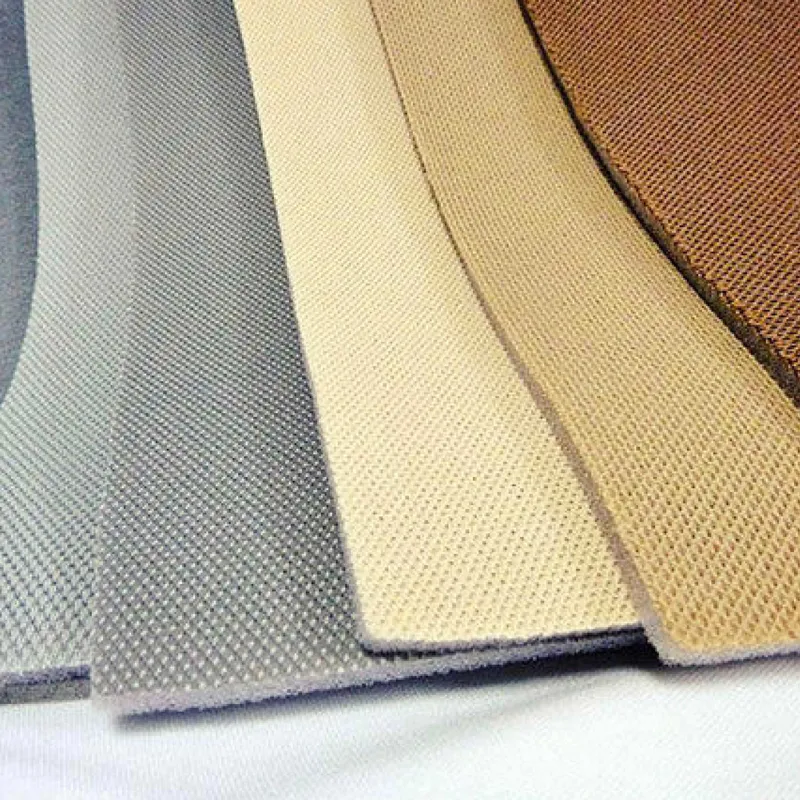
Acoustic Fabrics in KSA
38 SAR per Sq.meter| In stock
Composition: 100% Taslanized Polypropylene / 100% Polyester
Width: 170 cm ± 2%
Weight: 300 – 510 grams per meter
Color: Multiple Shades Available
Flammability: BS 5852 PT1 & PT2 (on request)
Abrasion Resistance: Over 50,000 Martindale Cycles
Maintenance: Professional Cleaning Recommended
Application: Walls, Ceilings, Acoustic Panels
Acoustic Fabric is a high-performance breathable material designed for use in acoustic panels, wall systems, ceiling treatments, and sound absorption applications. Engineered to allow sound waves to pass through to the acoustic core behind the fabric, it helps improve sound clarity, reduce reverberation, and enhance overall acoustic comfort in interior spaces.
Suitable for commercial, residential, educational, hospitality, and entertainment environments, acoustic fabrics provide both functional sound control and modern interior aesthetics.
Features of Acoustic Fabric
- Breathable surface for better sound performance
- Works with any acoustic fabric material
- Fire-resistant when treated
- Fade-resistant under light and friction
- Soft texture, clean appearance
- Strong and flexible for shaping or stretching
- Ideal fabric for acoustic panels and walls
- Available in multiple colors and finishes
- High resistance to wear (50,000+ Martindale cycles)
- Compatible with glue or staple installation
- Works well with foam or PET acoustic cores
- Great for fabric sound absorption projects
- Suitable for use in fabric acoustic wall panels, acoustic fabric wall panels, and more
Applications of Acoustic Fabrics
- Studios and Podcast Rooms
- Home Theaters
- Classrooms
- Meeting Rooms
- Offices
- Worship Spaces
- Libraries
- Reception Areas
- Auditoriums
- Hotels and Restaurants
- Boardrooms
- Call Centers
- Broadcasting Studios
- Gymnasiums
This fabric is perfect for both full-scale soundproofing and small custom acoustic fabric panel setups. It can also be used in acoustic wall fabric installations or wrapped around acoustical fabric panels for complete wall coverage.
What Is Acoustic Fabric?
Acoustic fabric is a specialized textile designed specifically for acoustic applications rather than decorative use alone. Its open-weave structure allows sound waves to travel through the fabric surface and reach the sound-absorbing material positioned behind it.
When combined with acoustic cores such as PET panels, foam, or fiberglass, the system helps reduce echo, improve speech intelligibility, and enhance room acoustics.
Acoustic fabrics are commonly used in fabric-wrapped acoustic panels, acoustic wall systems, and custom sound absorption applications across modern interior projects.
Components of Acoustic Fabric
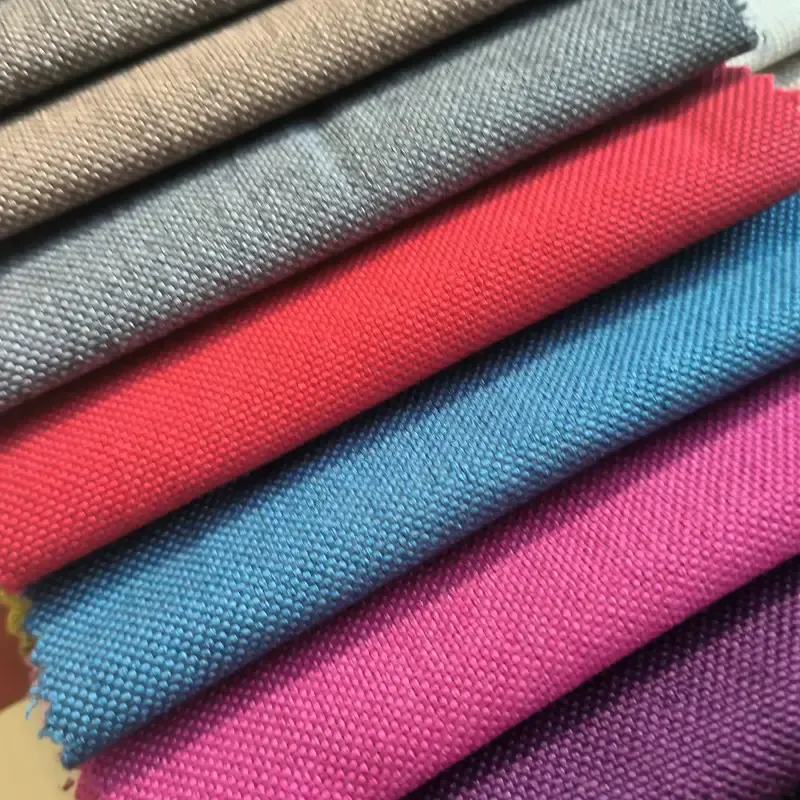
Surface Material
Manufactured using premium Taslanized Polypropylene or Polyester materials, the fabric provides durability, flexibility, and acoustic transparency suitable for professional acoustic applications.
Acoustic Behavior
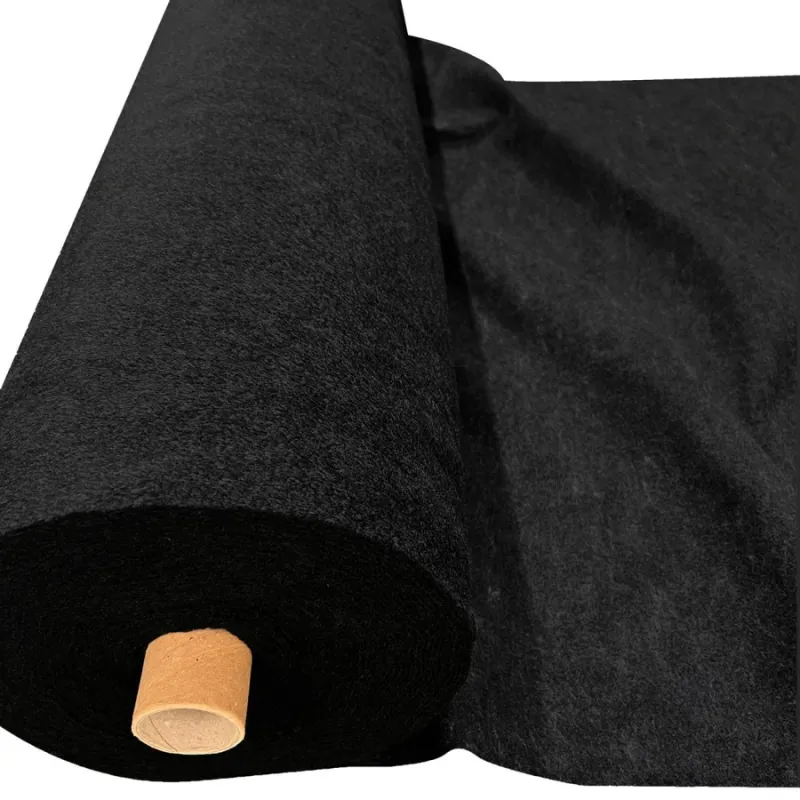
The breathable structure allows sound to pass through the fabric and interact with the acoustic absorption layer behind it, improving sound control performance.
Fire & Durability
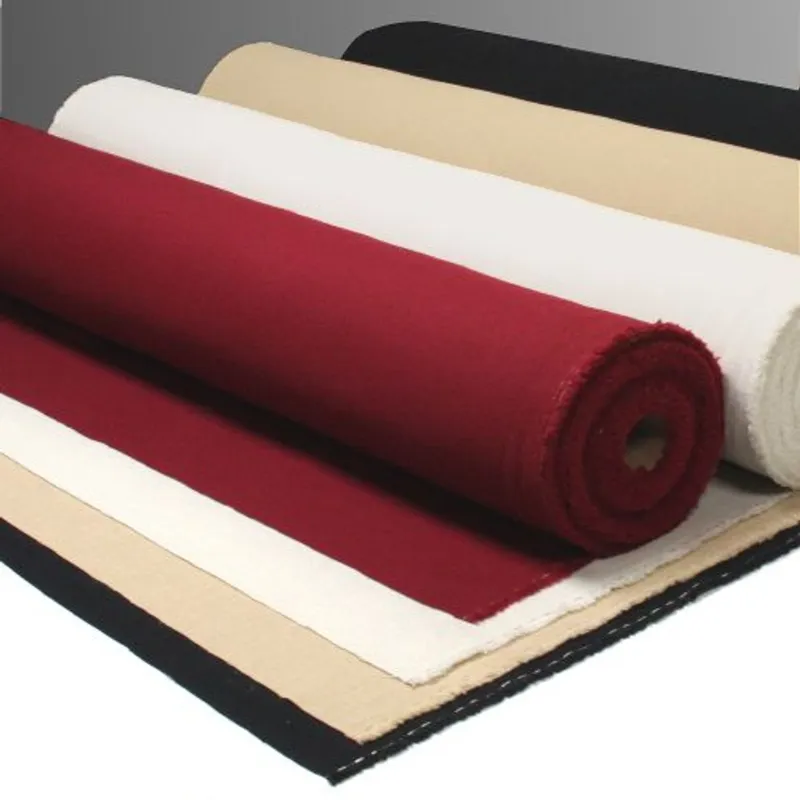
Available with flame-retardant properties upon request and engineered for long-term durability in commercial and public environments.
Installation Tips
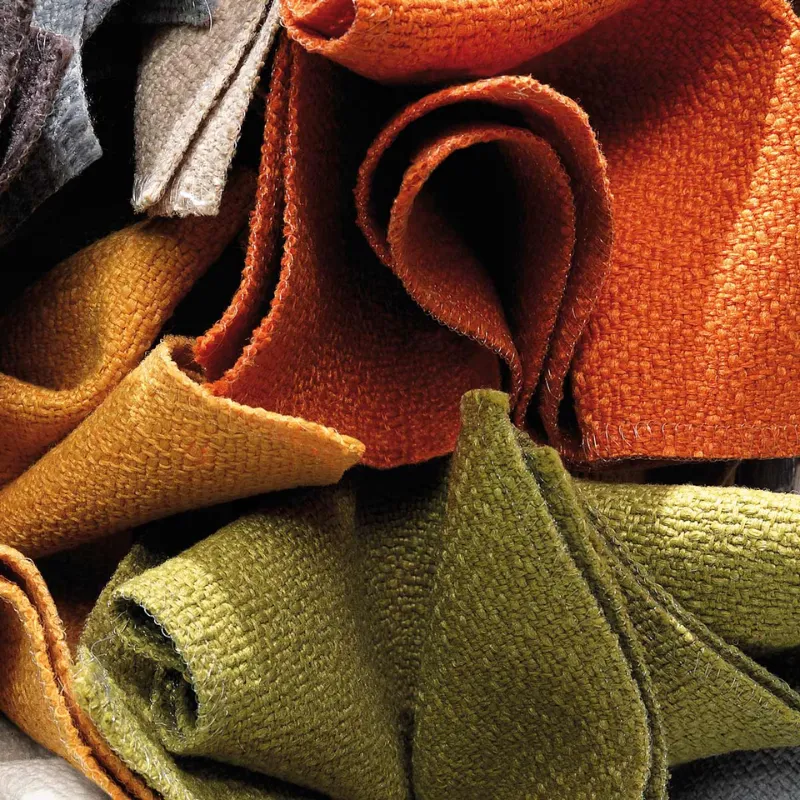
Easy to staple or glue on panels or walls
Always check fabric direction and shade before cutting
Color shade may vary slightly between batches
Sample cuttings available to confirm selection
FAQ'S About Acoustic Fabric
Acoustic Fabric is a specially engineered, sound-transparent fabric used to cover acoustic panels, stretch wall systems, and ceiling treatments. It enhances the appearance of acoustic installations while allowing sound waves to pass through to the sound-absorbing material behind it.
Acoustic Fabric allows sound waves to pass through with minimal resistance, enabling the acoustic insulation behind it to absorb noise, reduce echo, and improve room acoustics without compromising aesthetics.
No. Acoustic Fabric itself is not a soundproofing material. It is designed to be acoustically transparent, allowing sound to reach the acoustic insulation behind it for effective sound absorption.
Yes. Acoustic Fabric is widely used on both walls and ceilings as part of decorative acoustic panel and stretch fabric systems.
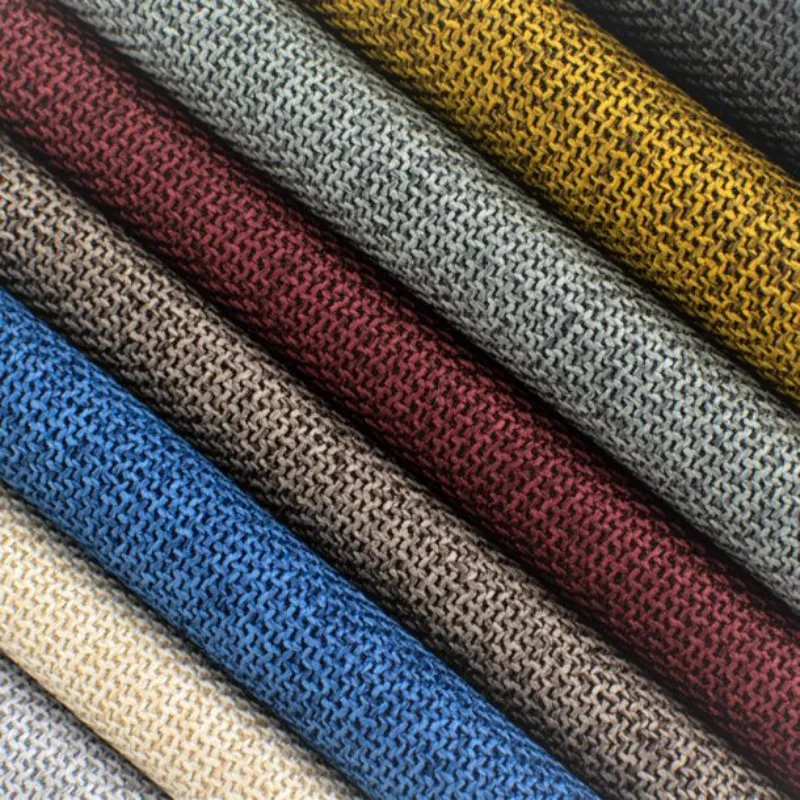
Acoustic Fabric is available in a wide variety of colors, textures, patterns, and finishes to match different interior design styles and branding requirements.
Yes. We offer custom colors, sizes, printed graphics, patterns, and fabric options to suit residential, commercial, and architectural projects.