
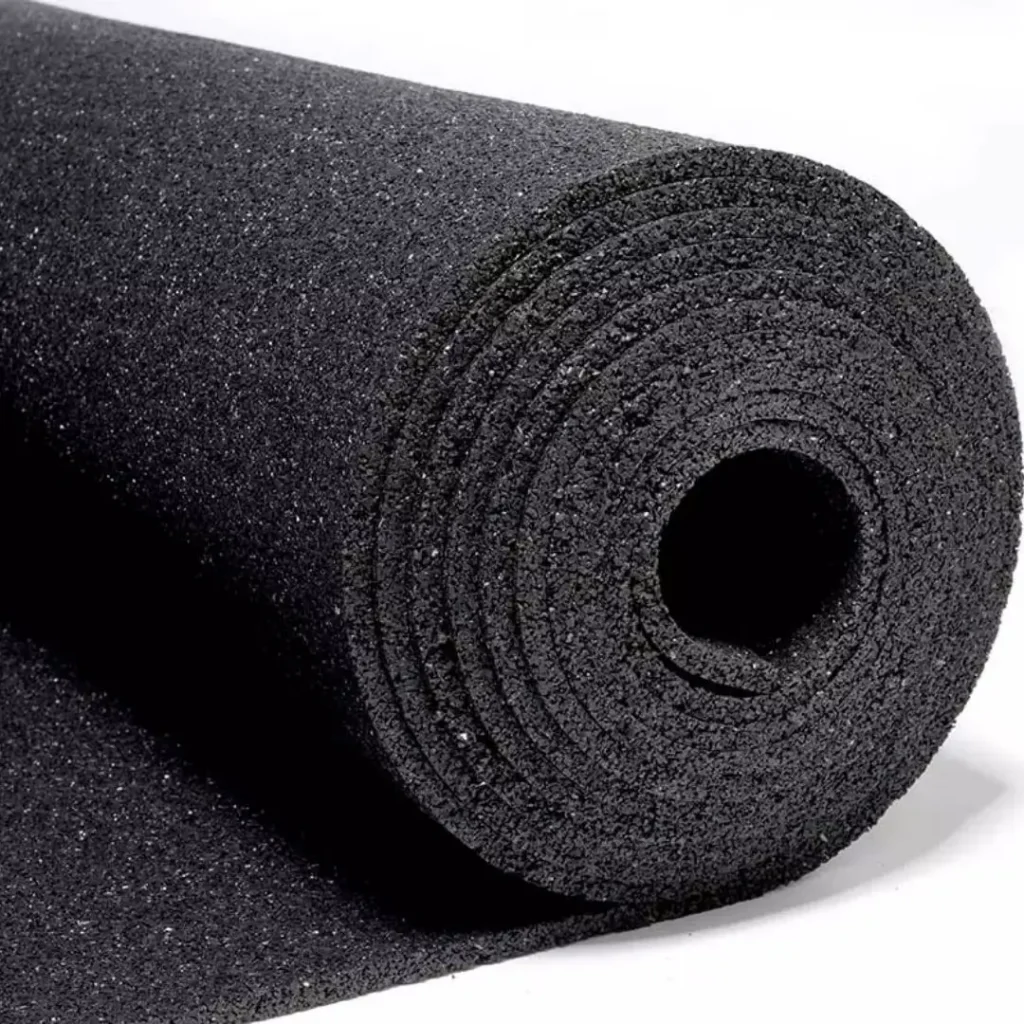
Acoustic Floor Underlay | Soundproofing underlay in Saudi Arabia
SAR 17 – 250 Per Sq.m | In stock
Roll Size: 1.2m x 10m
Thickness Options: 3mm, 5mm & 10mm
Density: 700 kg/sq.m
Color: Black
Tensile Strength: 0.4 – 0.6 MPa
Acoustic Floor Underlay is a high-performance soundproofing solution designed to reduce impact noise, floor vibrations, and sound transmission in residential, commercial, and industrial spaces. Installed beneath flooring systems, this acoustic material improves indoor acoustic comfort by minimizing noises such as footsteps, movement, and structural vibrations.
Suitable for a wide range of flooring applications, acoustic underlay provides reliable sound insulation while supporting floor durability and long-term performance
Key Features of Acoustic Floor Underlay
- Non-toxic
- Water-resistant
- Easy to install
- Energy efficient
- Softens flooring
- Reduces impact noise
- Supports floor finish
- Extends flooring life
- Temperature-resistant
- Stabilizes floor surface
- Reduces floor vibrations
- Dust-free and fiber-free
- High mechanical strength
- Eco-friendly and durable
- Handles heavy foot traffic
- Strong acoustic insulation
- Prevents subfloor cracking
- Effective thermal insulation
- Works with all flooring types
- Lightweight & sound-absorbent
- Resists bacteria, mold, and fungi
Benefits of Acoustic Floor Underlay
Impact Noise Reduction
Effectively minimizes footsteps, movement noise, and structural vibrations between floors.
Improved Acoustic Comfort
Creates quieter indoor environments for residential, commercial, and hospitality spaces.
Flooring Protection
Supports flooring systems and helps extend the lifespan of finished floor surfaces.
Thermal Insulation Support
Contributes to indoor temperature efficiency and enhanced comfort.
Durable Performance
Designed to perform reliably under continuous foot traffic and demanding environments.
Versatile Flooring Compatibility
Suitable for use with various flooring materials including wood, laminate, vinyl, and tile systems.
Applications of Acoustic Floor Underlay
- Gyms
- Hotels
- Offices
- Schools
- Cinemas
- Museums
- Airports
- Factories
- Hospitals
- Libraries
- Warehouses
- Art studios
- Event halls
- Data centers
- Laboratories
- Retail stores
- Dance studios
- Music schools
- Home theaters
- Parking garages
- Rooftop gardens
- Dance academies
- Machinery bases
- Soundproof rooms
- Conference rooms
- Automotive parts
- Shopping centers
- Sports complexes
- Recording studios
- Commercial spaces
- Childcare centers
- Community centers
- Fitness facilities
- Healthcare centers
- Veterinary clinics
- Performance venues
- Government buildings
- Residential buildings
- Multi-story buildings
What is Acoustic Floor Underlay?
Acoustic Floor Underlay is a specialized soundproofing material installed beneath floor finishes to reduce noise transfer between levels. It is designed to absorb impact energy and minimize sound transmission caused by walking, movement, and structural vibrations.
This acoustic solution is commonly used in modern construction projects where noise control and occupant comfort are essential.
How Does It Work?
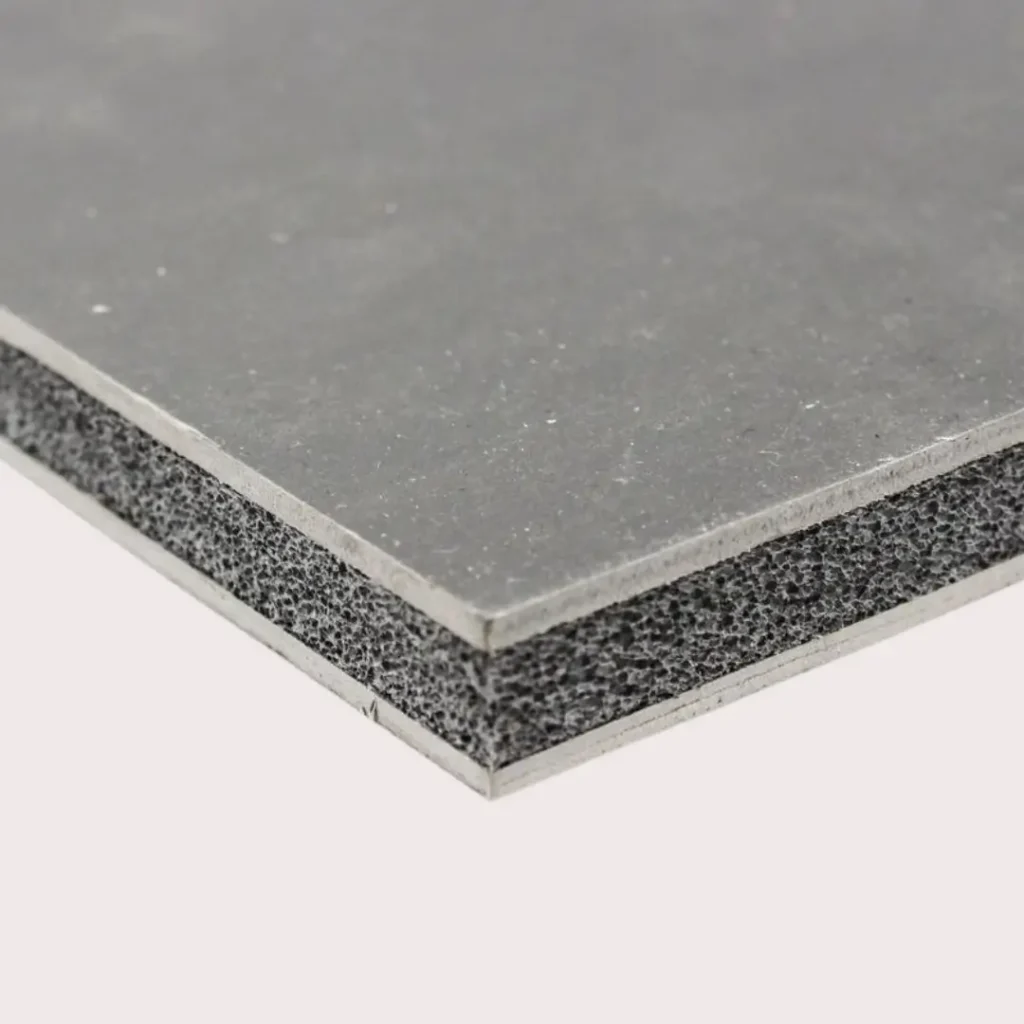
The underlay consists of dense sound-absorbing materials that help dissipate sound energy before it travels through the building structure. By reducing impact vibrations and airborne noise transfer, it improves overall acoustic performance within the space.
FAQ'S About Acoustic Floor Underlay
Acoustic Floor Underlay is a soundproofing layer installed beneath flooring materials to reduce impact noise, vibrations, and sound transmission between floors.
The underlay absorbs and dampens sound vibrations caused by footsteps, moving furniture, and other impacts, helping create a quieter indoor environment.
Acoustic Floor Underlay helps reduce impact noise and vibrations. For maximum soundproofing performance, it can be combined with additional floor sound insulation systems.
Yes. It is one of the most effective solutions for reducing footstep noise and improving acoustic comfort in multi-story residential buildings and apartments.
High-quality acoustic underlay is highly durable and designed to maintain its performance for many years under normal flooring conditions.
Desound provides premium-quality Acoustic Floor Underlay solutions designed to reduce impact noise, improve comfort, and enhance acoustic performance in residential and commercial spaces across Saudi Arabia.
Simply contact Desound with your project details, and our team will provide a free consultation and customized quotation based on your flooring and acoustic requirements.